Skip Bin Hire in Belconnen: Prices, Rules and Bin Sizes

Skip Bin Hire in Belconnen: Prices, Rules and Bin Sizes

For Belconnen residents, managing waste is often the most stressful part of a home project. Whether you are clearing out a garage in Florey, renovating a kitchen in Hawker, or tackling an overgrown garden in Kaleen, the rubbish piles up faster than you expect. While multiple trips to the tip at Mitchell are an option, they eat up valuable time and fuel. This is why skip bin hire remains the most practical solution for bulk waste disposal in Canberra’s north.

However, hiring a skip isn’t as simple as just ordering a metal box. You need to consider ACT Government regulations on waste types, understand permit requirements for nature strips, and select the correct bin size to avoid overfilling fees.

This guide covers everything you need to know about skip bin hire in Belconnen. We will look at pricing factors, local waste rules, and how to choose the right bin for your project, ensuring you save time and money while keeping your property compliant.

When You Might Need a Skip Bin in Belconnen

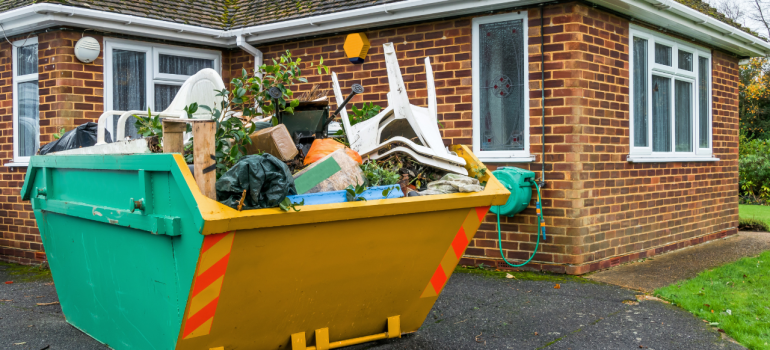
Most homeowners underestimate how much rubbish a project generates. A skip bin becomes essential when the volume of waste exceeds what your standard residential wheelie bins can handle.

Common scenarios where Belconnen residents rely on professional skip bin hire services include:

  • Moving House: If you are downsizing or leaving a rental property, you often find years of accumulated “stuff” that needs to go.
  • Renovations: Even minor updates, like replacing bathroom tiles or kitchen cabinets, produce heavy waste that cannot go in curb-side bins.
  • Garden Clean-ups: Belconnen’s established suburbs often have large blocks. Seasonal pruning or removing a tree creates green waste that requires bulk removal.
  • Deceased Estates: Clearing out a family home is a large task, and a large skip bin allows you to sort through items efficiently.

Skip Bin Hire Pricing in Belconnen

One of the first questions customers ask is, “How much does it cost?” While we cannot list exact daily rates here as they fluctuate, it is helpful to understand how pricing is calculated in the ACT market. Bullet Bins focuses on clear, competitive pricing so you know exactly what you are paying for.

Factors That Influence Price

The cost of your skip bin hire in Belconnen generally depends on three main things:

  1. Bin Size: Naturally, larger bins cost more. However, the price difference between sizes is often less than the cost of hiring a second bin if you run out of space.
  2. Waste Type: General household waste is standard, but heavy materials like concrete or bricks (“clean fill”) can sometimes be cheaper if kept separate, as they are easier to recycle. Conversely, mixed waste that is heavy to transport may cost more.
  3. Hire Duration: Most hires cover a standard period (e.g., 3 to 7 days). If you need the bin for longer, additional daily or weekly fees usually apply.

It is worth noting that Bullet Bins offers transparent pricing with no hidden surprises. When requesting a quote, being specific about what you are throwing away helps ensure you get the most accurate price.

Understanding Belconnen and ACT Waste Rules

Canberra has strict environmental laws regarding waste disposal. To protect the environment and avoid fines, you must know what can and cannot go into your skip.

Prohibited Items

You cannot throw just anything into a skip bin. Hazardous materials pose a risk to drivers, sorting facility workers, and the environment. In the ACT, the following items are strictly prohibited:

  • Asbestos: This is common in older Belconnen homes (eaves, wall sheeting). It requires a specialist removalist and cannot be put in general skips.
  • Liquids: Paints, oils, chemicals, and pesticides.
  • Batteries: Car batteries and lithium-ion batteries are fire hazards.
  • Tyres: These require special recycling processes.
  • Gas Bottles: Even empty ones can explode under pressure.
  • Food Waste: This should go in your green FOGO bin or compost, not a general waste skip.

Weight Limits

Every skip bin has a safe lifting capacity. While you can fill a bin to the rim, you must ensure you don’t exceed weight allowances, especially for heavy materials like soil or concrete. Overloaded trucks are illegal on ACT roads. If a bin is too heavy, the driver may be unable to pick it up, or you may face overweight charges.

Common Waste Types Accepted in Skip Bins

To get the best value and ensure sustainable disposal, it helps to categorise your rubbish.

General Waste

This is the most common hire type. It covers light domestic waste such as:

  • Broken furniture and timber
  • Toys and clothes
  • Cardboard and packaging
  • Whitegoods (check with your provider first)
  • General household clutter

Green Waste

If you are landscaping, a dedicated green waste bin is often a cost-effective choice. This includes:

  • Grass clippings
  • Weeds and prunings
  • Branches and leaves

Builders/Renovation Waste

This includes heavier materials generated during construction, such as:

  • Bricks and concrete
  • Tiles and pavers
  • Sand and soil
  • Metal and steel

Choosing the Right Skip Bin Size

Selecting the right size is the most critical part of the booking process. A common mistake is ordering a bin that is too small to save money, only to pay for a second delivery.

Bullet Bins offers a range of sizes to suit different projects. Here is a breakdown to help you decide:

2.5m³ and 3m³ Bins (Mini Skips)

These are perfect for small residential tasks.

  • Best for: Spring cleaning a garage, minor garden pruning, or clearing out a spare room.
  • Capacity: Roughly equivalent to 8–12 wheelie bins.

4.5m³ Bins

A versatile mid-range size that suits most standard household jobs.

  • Best for: Kitchen or bathroom renovations, larger garden clean-ups, or moving house for a small family.
  • Capacity: Suitable for medium-volume, bulky items.

6m³ Bins

This is the standard size for significant projects.

  • Best for: Multi-room renovations, large fencing projects, or clearing out a whole house.
  • Capacity: Handles a substantial amount of waste without taking up too much driveway space.

10m³ Bins

The largest option, designed for major volume.

  • Best for: Commercial fit-outs, large construction jobs, or major deceased estates.
  • Capacity: Ideal when you have large, bulky items that cannot be broken down.

For more details on dimensions, you can view our bin sizes page.

Where Skip Bins Can Be Placed in Belconnen

Placement is another logistical factor to plan before your bin arrives. You generally have two options: your property or public land.

Private Property (Driveway or Yard)

Placing the bin on your own land is the easiest option. It requires no permits and allows you easy access.

  • Driveway: Ensure your driveway is wide enough (approx. 3 metres) and clear of overhanging trees or power lines.
  • Front Yard: The ground must be hard and accessible. Heavy trucks can damage soft lawns or underground irrigation if not careful.

Nature Strips and Public Land

In Belconnen, if you need to place the skip on the nature strip (the grass between your property and the road) or the road itself, you are using unleased Territory land.

According to ACT Government rules, you generally need approval to store objects like skips on a nature strip.

  • Permits: You must apply for a permit to place a skip on public land. This ensures safety for pedestrians and traffic.
  • Timeframes: Permits usually take a few days to process, so plan ahead.
  • Safety: The bin must not block footpaths, driveways, or sightlines for traffic.

If you are unsure about placement, Bullet Bins can advise you on the best spot or help you understand the permit requirements for our ACT service areas.

Why Use a Local Skip Bin Provider

When you search for “skip bins Belconnen,” you will find national booking agencies and local operators. There are distinct advantages to choosing a local, family-owned business like Bullet Bins.

  • Local Knowledge: We know the streets of Belconnen. We know which cul-de-sacs in Macgregor are tight and which driveways in Page are steep. This ensures a smoother delivery process.
  • Reliability: National agencies often outsource the job to the lowest bidder. When you book local, you deal directly with the people delivering your bin.
  • Flexibility: Local providers are often more accommodating with delivery times or extensions if your project runs overtime.
  • Insured and Compliant: We carry full insurance and adhere strictly to ACT waste disposal guidelines, giving you peace of mind.

Make Your Waste Removal Easy

Hiring a skip bin in Belconnen doesn’t have to be complicated. By choosing the right size, separating your waste types, and placing the bin on private property where possible, you can manage your cleanup efficiently and affordably.

Whether you are tearing down a shed or just clearing out the clutter, having the right bin on site lets you focus on the job at hand rather than the rubbish it creates.

Ready to clear the clutter? Check our availability and book your bin today.
Read More

Skip Bin Hire in Tuggeranong: What Residents Need to Know

Skip Bin Hire in Tuggeranong: What Residents Need to Know

For residents in Tuggeranong, tackling a home project often means dealing with a significant amount of waste. Whether you are updating a classic 1970s home in Kambah, managing a garden overhaul in Wanniassa, or clearing out a garage in Gordon, hiring a skip bin is often the most efficient way to manage the mess.

However, hiring a skip bin isn’t just about picking a size and having it dropped off. There are specific ACT Government regulations, placement rules, and safety considerations that every homeowner needs to be aware of. Understanding these factors upfront can save you time, money, and the headache of potential fines.

This guide covers everything you need to know about skip bin hire in Tuggeranong, ensuring your waste removal is smooth, compliant, and stress-free.

Common Reasons Residents Hire Skip Bins in Tuggeranong

Tuggeranong is a diverse district with a mix of established family homes on large blocks and newer, compact living spaces. Consequently, the waste removal needs here are varied.

One of the most common reasons for hiring a skip is seasonal landscaping. Suburbs like Richardson and Monash are known for their established greenery, meaning spring and autumn clean-ups often generate more green waste than a standard wheelie bin can handle.

Home renovations are another major driver. As many homes in the area were built in the 70s and 80s, bathroom and kitchen modernisations are frequent. Removing old tiles, cabinetry, and flooring requires a robust waste solution.

Finally, moving house or downsizing often necessitates a skip. Whether leaving a large family home in Calwell or moving into a townhouse in Greenway, the moving process almost always unearths years of accumulated “stuff” that needs to go.

Understanding Skip Bin Hire Costs in Tuggeranong

When budgeting for waste removal in South Canberra, it is important to understand that the “cheapest” price isn’t always the final price. Several factors influence the total cost of hiring a skip bin.

  • Bin Size: Naturally, larger bins cost more. However, ordering a bin that is too small and requiring a second one is far more expensive than getting the sizing right the first time.
  • Waste Type: General waste is priced differently from specialised loads. For example, a bin strictly for “clean” waste like bricks and concrete may be cheaper than a mixed waste bin because the materials are easier to recycle. Conversely, mattresses and tyres often incur surcharges.
  • Hire Duration: Most companies offer a standard hire period (e.g., 3 to 7 days). Extending this rental will usually add a daily fee.
  • Permits: If you cannot place the bin on your private property and need to use public land (like a nature strip), you will need to pay for an ACT Government permit.

[Check our latest bin sizes and pricing here]

ACT Waste and Recycling Rules Residents Should Know

The ACT has strict environmental protection laws designed to divert waste from landfill. As a resident hiring a skip, you play a part in this system.

Crucially, hazardous materials must never be placed in a skip bin. If prohibited items are found in your load, the skip company may refuse collection, return the waste to you, or charge significant contamination fees.

Common prohibited items include:

  • Asbestos: Common in older Tuggeranong homes (eaves, wall sheeting, vinyl tiles). This requires a licensed removalist.
  • Batteries: Including car batteries and household lithium batteries, which are a fire risk.
  • Liquid Waste: Paints, oils, chemicals, and gas bottles.
  • Food Waste: While the FOGO pilot is active in parts of Tuggeranong, bulk food waste should generally not go into general skip bins due to hygiene and odour issues.

Correct separation matters. By keeping recyclables (like metal or clean concrete) separate where possible, you help reduce the environmental impact of your project.

Types of Waste Commonly Accepted in Skip Bins

Before you start throwing everything into the skip, it is vital to confirm what your specific hire allows. Most skip bins fall into three main categories:

  1. General Household Waste: This includes broken furniture, toys, clothes, cardboard, plastic, and general bric-a-brac. This is the standard “spring clean” bin.
  2. Green Waste: Strictly for organic garden matter such as grass clippings, leaves, weeds, and small branches. Soil, rocks, and tree stumps usually need to be separated or placed in a different bin type.
  3. Construction/Renovation Waste: Hardfill materials like concrete, bricks, tiles, and untreated timber.

Note: If you are mixing heavy waste (like bricks) with general light waste, ensure you check weight limits with your provider. Overloading a bin with heavy masonry can make it unsafe to lift.

Choosing the Right Skip Bin Size for Your Project

Selecting the right size is often the hardest part of the process. In Tuggeranong, where block sizes vary from sweeping blocks in Kambah to compact courtyards in Bonython, space can also dictate what size you can actually fit.

  • 2.5m³ to 3m³ (Mini Skips): Ideal for minor garden clean-ups, clearing out a spare room, or small bathroom renovations. Roughly equivalent to 8–12 wheelie bins.
  • 4.5m³ (Medium Skips): The go-to size for kitchen renovations, large garden overhauls, or moving house.
  • 6m³ to 10m³ (Large Skips): Required for major construction work, whole-house decluttering, or large excavation jobs.

A good rule of thumb is to estimate how much waste you have and then go one size up. It is safer to have a little extra space than to be left with a pile of rubbish on your driveway that didn’t fit.

[View our bin sizes information page]

Skip Bin Placement and Access in Tuggeranong

Where you put the bin is just as important as what you put in it.

Private Property (Driveway/Yard):
This is always the best option. Placing a bin on your own land (driveway or front lawn) requires no permits. However, ensure the ground is stable. A heavy skip can damage soft grass or crack pavers if not placed carefully.

Public Land (Nature Strip/Road):
In many Tuggeranong cul-de-sacs, driveways can be steep or narrow. If you need to place the skip on the nature strip or the road, you must obtain approval. In the ACT, this is known as an Application to Place an Object on Public Land.

  • Your skip hire provider can often assist with this advice, but strictly speaking, approval must be granted before placement.
  • The bin must not block footpaths, driveways, or sightlines for traffic.

Access:
Ensure the truck can get in. Standard skip trucks require roughly 3 metres of width and sufficient overhead clearance (watch out for power lines and low-hanging gum trees).

Planning Tips for a Smooth Skip Bin Hire Experience

To ensure your project runs on time and on budget, a little planning goes a long way:

  1. Book in Advance: Tuggeranong sees high demand for services during weekends and public holidays. Try to book your bin at least 2-3 days in advance.
  2. Sort Before You Bin: Create piles for different waste types before the bin arrives. This helps you pack the bin more efficiently (flat items at the bottom) and ensures no prohibited items sneak in.
  3. Check Your Access: Walk your driveway and look up. Are there low branches? Is the neighbour’s car parked opposite your driveway, making it hard for a truck to turn in? Clear the path before the driver arrives.
  4. Consider the Weather: If rain is forecast, try to cover your skip with a tarp. Wet waste (especially carpet or mattresses) becomes extremely heavy, which could push you over the weight allowance.

Why Local Knowledge Matters for Skip Bin Hire

Hiring a provider who understands the specific layout of South Canberra makes a difference. A local operator knows that a delivery to a steep driveway in Theodore requires a different approach than a delivery to a flat block in Isabella Plains.

Local providers are also up-to-date with the specific requirements of the Mugga Lane Resource Management Centre, ensuring that your waste is disposed of ethically and in line with ACT environmental standards. They can offer advice specific to your suburb, whether that involves navigating tight townhouse complexes or advising on the best placement for large corner blocks.

Conclusion

Whether you are landscaping in Lanyon or renovating in Richardson, a skip bin is an essential tool for getting the job done. By taking the time to choose the right size, understanding ACT waste rules, and planning your placement carefully, you can ensure a hassle-free experience.

If you are ready to get your cleanup started, contact a local team that knows Tuggeranong and can guide you toward the right waste solution for your home.

[Explore our local skip bin hire services]

Read More

Canberra Hard Rubbish Disposal: What Can and Can’t Go in a Skip Bin

Canberra Hard Rubbish Disposal: What Can and Can’t Go in a Skip Bin

For Canberra residents, managing a major cleanup—whether it’s a renovation in Belconnen, a move in Tuggeranong, or just a long-overdue garage clear-out—often leads to a significant pile of “hard rubbish.” This category of waste is too big for your regular kerbside bins and requires specific disposal methods.

While hiring a skip bin is often the most efficient way to handle large volumes of waste, it is not a free-for-all. The ACT has strict environmental regulations and waste management rules that dictate exactly what can and cannot be placed in a skip. Misunderstanding these rules can lead to safety hazards, environmental contamination, and unexpected fees for prohibited items.

This guide explains everything you need to know about hard rubbish disposal in Canberra, ensuring your cleanup is compliant, cost-effective, and stress-free.

What Is Considered Hard Rubbish in Canberra?

In the context of waste management, “hard rubbish” or “hard waste” generally refers to large, durable items that cannot fit into or are not accepted by standard residential wheelie bins. It is the type of material generated when you are decluttering a home, upgrading furniture, or performing minor household repairs.

Hard rubbish is distinct from your weekly household garbage (putrescible waste) and standard recycling. It typically includes solid, non-hazardous items that require manual handling or mechanical lifting to dispose of. 

However, just because an item is “hard” or bulky does not automatically mean it belongs in a general waste skip bin. Different materials often require different processing methods to maximise recycling and minimise landfill impact.

How Skip Bins Are Commonly Used for Hard Rubbish

Skip bins are the go-to solution for residents and businesses dealing with volumes of waste that exceed the limits of the ACT Government’s annual bulky waste collection service (which is capped at 2 cubic metres).

Skip bins provide the convenience of having a large designated container on-site for several days, allowing you to work at your own pace. They are commonly utilised for:

  • Deceased estates: Clearing out a lifetime of household goods.
  • Renovations: Disposing of old cabinetry, flooring, and non-structural debris.
  • Landscaping: Removing large amounts of green waste and soil.
  • Moving house: Getting rid of broken furniture and unwanted junk before a move.

If you are planning a project like this, checking our skip bin hire services page can help you determine the right size bin for your volume of waste.

Common Hard Rubbish Items That Are Usually Accepted

Most general waste skip bins in Canberra are designed to handle a mix of household and light construction waste. While specific allowances can vary based on the type of bin you order (e.g., a “Green Waste” bin vs. a “General Waste” bin), the following items are typically accepted in a standard mixed waste skip.

General Household Items

  • Furniture: Lounges, cupboards, tables, chairs, and shelving units.
  • Toys and Sports Equipment: Large plastic toys, bikes, and gym equipment.
  • White Goods: Dishwashers, washing machines, dryers, and ovens.
  • Domestic items: Clothes, books, kitchenware, and bric-a-brac.

Green Waste

  • Garden clippings: Grass, leaves, and weeds.
  • Pruning: Small branches, twigs, and shrubs.
  • Note on Size: Bullet Bins accepts branches, woodchips, and bark provided they do not exceed 20cm in diameter or two metres in length.

Light Construction Waste

  • Timber: Offcuts, untreated wood, and pallets.
  • Metals: Scrap metal, roofing iron, and fencing.
  • Rubble: Small amounts of bricks, concrete, and tiles (Heavy loads may require a specific bin type to avoid weight limit issues).

Items That Are Restricted or Prohibited in Skip Bins

To comply with ACT waste rules and safety standards, certain items are strictly prohibited from general skip bins. Placing these items in a bin can result in the load being rejected or significant contamination fees.

Hazardous Materials

You must never place hazardous materials in a skip bin. This includes:

  • Asbestos: Any fibrous building material, insulation, or fibro sheeting. This requires specialist removal.
  • Chemicals: Solvents, household cleaners, pool chemicals, and pesticides.
  • Liquid Waste: Paints (wet), oils, fuels, and thinners.

Safety Hazards

Certain items pose a fire or explosion risk when compacted in a truck or processed at a facility:

  • Batteries: Car batteries, lithium-ion batteries, and rechargeable household batteries.
  • Gas Bottles: LPG cylinders, fire extinguishers, and helium tanks.

Biological and Putrescible Waste

  • Food Waste: Household kitchen scraps and rotting food are not permitted as they attract pests and cause sanitation issues.
  • Soiled Materials: Nappies and biological waste.

Items Attracting Surcharges

Some items can be placed in a skip bin but will incur an additional fee because they cost more to dispose of at the tip. At Bullet Bins, this includes:

  • Mattresses: Additional $55 tipping fee.
  • Tyres: Additional $10 tipping fee per tyre.

For a detailed breakdown of what is allowed, you can view our bin restrictions information page.

Why Some Items Cannot Go in Skip Bins

The restrictions on what can go into a skip bin are not there to be difficult; they are in place for three critical reasons:

  1. Safety: Batteries and gas bottles can cause fires in waste trucks or at sorting facilities, putting drivers and workers at severe risk.
  2. Environmental Protection: Liquids, chemicals, and oils can leak from the bin or the truck, contaminating soil, stormwater drains, and groundwater.
  3. Recycling Viability: Skip bin contents are often sorted to recover recyclable materials like metal and concrete. Contaminants like food waste or hazardous chemicals ruin these recyclable streams, forcing more waste into landfill.

Special Disposal Options for Restricted Waste

Just because an item cannot go in a skip bin doesn’t mean you are stuck with it. Canberra offers several free or low-cost disposal avenues for restricted items.

  • Hazardous Waste: You can drop off household hazardous waste (including paint, gas bottles, and motor oil) for free at the Mugga Lane or Mitchell Resource Management Centres.
  • Batteries: Use the B-cycle network drop-off points found at many local supermarkets and retailers for household batteries.
  • E-Waste: Old computers, TVs, and printers can often be dropped off for free at designated e-waste points at ACT transfer stations.
  • Paint: The Paintback scheme allows you to dispose of unwanted paint and packaging responsibly at approved collection sites.

How to Avoid Contamination and Extra Charges

Dealing with waste disposal costs is easier when you plan ahead. Contamination occurs when prohibited items are mixed in with general waste, turning a standard load into a hazardous one.

To avoid unexpected charges:

  • Sort as you go: Create a separate pile for hazardous items (like batteries and paint) to take to the tip yourself.
  • Check weight limits: If you are disposing of heavy materials like soil, bricks, or concrete, let your provider know. You may need a specific “heavy waste” bin to avoid exceeding weight allowances.
  • Keep it level: Do not overfill the bin above the rim. It is illegal to transport an unsafe, overfilled load, and the driver may be forced to leave the bin behind or remove items.
  • Stack efficiently: Break down furniture and place flat items at the bottom to maximise space.

ACT Waste Rules and Responsibilities

In the ACT, the waste generator (you) is responsible for ensuring waste is disposed of correctly. The ACT Government enforces strict penalties for illegal dumping and the improper disposal of hazardous substances.

When you hire a skip bin, you are partnering with the provider to ensure waste is handled legally. By keeping prohibited items out of the bin, you help local providers comply with environmental laws and keep disposal costs down for everyone in the community.

We service a wide region including Canberra, Queanbeyan, and surrounding NSW areas. To see if we cover your location, check our ACT service areas page.

Conclusion

Understanding hard rubbish disposal in Canberra is the key to a smooth cleanup project. By knowing what belongs in a skip bin and utilising the free community drop-off points for hazardous or restricted items, you can save money and protect the local environment.

Before you start your next renovation or clean-up, take a moment to assess your waste. If you are unsure about a specific item, it is always better to ask than to risk a fine.

Read More

How to Save Money on Skip Bin Hire in Canberra

How to Save Money on Skip Bin Hire in Canberra

Renovating a bathroom in Belconnen? Cleaning out a garage in Tuggeranong? Skip bin hire is often the most convenient way to handle the mess, but costs can add up quickly if you aren’t careful. Between hire fees, potential weight surcharges, and penalties for prohibited items, a simple cleanup project can become unexpectedly expensive.

The good news is that skip bin hire in Canberra doesn’t have to break the bank. By understanding how pricing works and knowing a few insider tricks—like how to pack efficiently and which items you can dispose of for free at ACT government facilities—you can significantly reduce your total spend.

This guide walks you through practical, actionable ways to save money on your next skip bin hire while keeping your project compliant with local waste regulations.

What Affects Skip Bin Hire Costs in Canberra?

Before you book, it is helpful to understand exactly what you are paying for. Skip bin prices in the ACT aren’t random; they are driven by specific factors that you can often control.

The primary cost driver is bin size. Naturally, a 10m³ bin costs more than a 2.5m³ bin. However, the price per cubic metre often decreases as the bin gets larger, meaning one large bin is usually cheaper than two small ones.

Waste type is another major factor. “General waste” (mixed household rubbish) is typically the most expensive category because it requires extensive sorting at the depot. In contrast, “pure” loads—like 100% concrete or 100% green waste—are cheaper because they are easier to recycle.

Finally, hire duration and location play a role. Most companies offer a standard hire period (e.g., 3 to 7 days). Extending this usually incurs a daily fee. Additionally, choosing a local provider based in Canberra or Queanbeyan often eliminates the hidden transport surcharges that interstate booking agencies might add.

Choosing the Right Bin Size to Avoid Overpaying

One of the most common mistakes customers make is misjudging the volume of their waste. This leads to two costly scenarios: paying for empty air in a bin that’s too big, or worse, ordering a bin that is too small and having to pay for a second one.

To get it right, visualise your waste pile. A standard trailer load is roughly equal to one cubic metre (1m³). If you have about four trailer loads of rubbish, a 4m³ or 4.5m³ bin is likely ideal.

However, you must account for “packing inefficiency.” Waste rarely stacks perfectly flat. Furniture, weirdly shaped branches, and cardboard boxes create air gaps. A good rule of thumb is to estimate your volume and then add 20%.

If you are on the fence between two sizes (e.g., a 3m³ vs. a 4.5m³), it is almost always more cost-effective to size up. The cost difference to upgrade is far less than the minimum charge for a second delivery if you run out of space.

Sorting Waste Correctly to Reduce Costs

Did you know that throwing everything into one “General Waste” bin is often the most expensive way to dispose of rubbish? If you have a specific type of waste, you can unlock significant savings by sorting it.

Green Waste Bins

If you are doing a garden cleanup, booking a dedicated green waste bin is cheaper than a general waste bin. This is because green waste (branches, grass clippings, leaves) is turned into compost rather than going to landfill. However, strict rules apply: you cannot include soil, treated timber, or plastic pots in these bins.

Heavy Materials (Concrete and Bricks)

Masonry waste is heavy, and general waste bins often have weight limits. If you put heavy concrete into a general bin, you might trigger overweight surcharges. Instead, book a dedicated “Masonry” or “Concrete” bin. These are priced differently and have weight allowances designed for heavy loads.

By separating your waste streams, you avoid paying premium “mixed waste” sorting fees.

Avoiding Prohibited Items That Lead to Extra Fees

Nothing ruins a budget faster than unexpected contamination fees. In the ACT, strict environmental laws govern what can and cannot go into a skip bin. If prohibited items are found in your load, the skip company is charged hefty penalties at the tip, which are then passed on to you.

Common items prohibited in standard skips include:

  • Batteries: These are a fire hazard and must never go in a bin.
  • Tyres: These require special recycling processes.
  • Asbestos: This is strictly regulated and requires specialist removal.
  • Liquid waste: Paint, oils, and chemicals cannot be dumped.
  • Gas bottles and fire extinguishers: These pose explosion risks.
  • Mattresses: While often accepted, they usually incur an extra surcharge per item because they are difficult to shred.

Check your provider’s terms and conditions before loading questionable items. If you are unsure, call and ask. It is always cheaper to dispose of these items correctly yourself than to pay a contamination fine.

Timing Your Skip Bin Hire Strategically

Planning your timeline can save you money on daily hire rates. Most companies include a set number of days in the base price, typically between 3 and 7 days.

If you know you only need the bin for a weekend cleanup, look for providers who offer shorter hire periods at a better rate. Conversely, if you are undertaking a renovation where work might stall, ask about extension fees upfront.

Booking in advance is also wise. During peak renovation seasons (like spring or pre-Christmas), demand is high, and inventory runs low. Booking a week ahead ensures you get the exact size you need, rather than being forced to pay for a larger, more expensive bin because the smaller ones are sold out.

Using Local Waste Services Where Appropriate

You don’t need to put everything in the skip. The ACT Government offers several waste disposal services that can complement your skip hire and lower your costs.

Bulky Waste Collection: Every Canberra household is entitled to one free bulky waste collection per year (up to 2 cubic metres). This is perfect for getting rid of old furniture or white goods that would otherwise take up huge amounts of space in your skip.

Resource Management Centres: Facilities at Mugga Lane and Mitchell accept many items for free. You can drop off domestic quantities of paint, batteries, motor oil, and e-waste (like TVs and computers) at no cost. Taking these items to the tip yourself frees up space in your paid skip for the general rubbish that actually costs money to dump.

Planning Access and Placement to Prevent Delays

Time is money, especially for delivery drivers. If a driver arrives and cannot place the bin because of parked cars, low-hanging trees, or locked gates, you may be charged a “futility fee” for the wasted trip.

Ensure your driveway needs to be at least 3 metres wide for the truck to access. Check for overhead power lines or branches.

If you don’t have space on your property and need to place the bin on public land (like a nature strip or road), you will need a permit from the ACT Government. Some skip providers can organise this for you, but the permit fee is an additional cost. Placing the bin on your own driveway is the free and easier option.

Common Cost-Saving Mistakes to Avoid

Trying to save money the wrong way can backfire. Here are a few “savings hacks” that often end up costing more:

  • Overfilling the bin: It is tempting to pile rubbish high above the rim to get more value. However, drivers legally cannot transport unsafe, overfilled loads. You will be forced to remove the excess (and find another way to dispose of it) or pay for a second bin.
  • Burning waste: Burning rubbish in your backyard is illegal in suburban Canberra and carries significant fines that far outweigh the cost of a skip.
  • Illegal dumping: Dumping waste in bushland or public bins is a serious offence with heavy penalties and surveillance in place across the ACT.

Summary

Saving money on skip bin hire in Canberra comes down to preparation. By choosing the right size, separating your recyclables, leveraging free government drop-off points, and packing your bin efficiently, you can manage your waste responsibly and affordably.

Quick Checklist for Cheap Skip Hire:

  1. Estimate volume carefully (and add 20% for air gaps).
  2. Separate green waste or masonry if you have enough of it.
  3. Remove prohibited items (batteries, tyres, paint) and take them to a Resource Management Centre for free.
  4. Book a free bulky waste collection for large furniture items first.
  5. Clear access for the delivery truck to avoid futility fees.

Ready to book? At Bullet Bins, we provide transparent pricing and expert advice to help you get the right bin for your project. Whether you are in Canberra, Queanbeyan, or the surrounding regions, we make waste disposal easy.

Read More
Skip hire Canberra

Eco-Friendly Skip Hire Options In Canberra: How To Reduce Your Carbon Footprint

Eco-Friendly Skip Hire Options In Canberra: How To Reduce Your Carbon Footprint

Managing waste from a renovation, construction or clean-up project can be challenging, especially if you’re concerned about where that rubbish ends up. Many skip bins still send large amounts of waste straight to landfill, which increases pollution and contributes to unnecessary carbon emissions.

For those actively trying to reduce their environmental impact, there are practical ways to lower your carbon footprint when using a skip hire in Canberra. With the right approach, you can dispose of waste efficiently and in a more environmentally conscious manner.

Below are five steps to help you get started.


1. Choose the right skip bin size to avoid unnecessary trips

Choosing the wrong bin size can lead to wasted space or extra trips, both of which increase transport emissions.

To avoid this, estimate your waste load carefully and speak to a professional if you’re unsure. Skips for hire in Canberra are available in various sizes, and selecting the right one for your project ensures a quick and eco-friendly clean-up.


2. Separate recyclable and non-recyclable waste when loading the skip

Sorting your waste before loading the skip makes recycling easier and more effective. Mixed and contaminated waste can lower recycling rates because it is harder to process.

Where possible, separate:


    • Green waste, such as branches and clippings
    • Scrap metal
    • Clean construction materials like bricks and tiles


3. Opt for green waste skips for garden and landscaping projects

If you’re working on a garden or landscaping project, hiring a green waste skip allows organic material to be processed sustainably. Green waste is typically mulched or composted rather than sent to landfills, where it would generate unnecessary greenhouse gases.

Green waste skips are suitable for:


    • Grass clippings and leaves
    • Tree branches and shrubs
    • Untreated timber and other garden debris


4. Support local skip hire businesses to reduce transport emissions

Opting for a skip hire business that operates locally helps reduce the distance travelled for delivery and pick-up, which lowers transport-related emissions. Local providers are also familiar with regional recycling and waste management facilities, offering more efficient and tailored services.


5. Work with a skip hire company that focuses on recycling

Choosing a company that actively sorts and recycles waste can also prevent large amounts of material from going straight to landfills.

Look for a Canberra skip hire service that separates materials, such as:


    • Bricks and concrete
    • Metals
    • Green waste
    • General recyclables

At Bullet Bins, we take recycling seriously. We work with local recycling facilities to reduce landfill waste wherever possible and aim to handle a wide range of materials responsibly, including green waste, metals, bricks and general recyclables.


Make your skip hire in Canberra more eco-friendly with Bullet Bins

If you’re looking for skips for hire in Canberra that offer practical and eco-friendly solutions, Bullet Bins provides a range of services to suit different projects, from residential to commercial needs.

We focus on making waste management simple, cost-effective and environmentally responsible. Our team is committed to providing clear pricing, friendly service and fast delivery, so you can be confident you’re getting a quality, eco-conscious skip for hire in Canberra when you work with us.

Contact us now for more information or a quick quote.

Read More
Skips Canberra

What Can & Cannot Go In A Skip Bin In Canberra

What Can & Cannot Go In A Skip Bin In Canberra

Whether you’re tackling a home renovation, doing garden clean-up or clearing out old office equipment in Canberra, hiring a skip bin is an excellent solution for managing waste. However, not everything can be tossed into a Canberra skip bin. Knowing what you can and cannot dispose of is crucial to avoid additional fees and ensure environmental compliance.

In this guide, we discuss the importance of proper waste disposal, outline the acceptable and prohibited items for skips in Canberra and explain how choosing the right service can make all the difference.


The importance of proper waste disposal

Proper waste disposal is both a legal requirement and a responsibility. Incorrect disposal can lead to significant environmental issues and health risks to humans, particularly through improperly handling hazardous materials. By understanding what can and cannot go into your Canberra skips, you ensure that waste is processed responsibly and sustainably, minimising its environmental impact.


What you CAN put in a Canberra skip bin:

1. General waste


    • Household items, including clothing, toys, kitchenware
    • Furniture (sofas, tables, chairs)
    • Appliances
    • Wood, metals and plastics
    • Green waste (branches, woodchips and bark, leaves and grass clippings). These must not exceed 20cm in diameter or two metres in length.

2. Building and construction waste


    • Timber
    • Concrete
    • Bricks
    • Ceramics
    • Tiles

3. Mixed heavy waste


    • Combined waste types
    • General rubble and soil (excluding contaminated soil)


What you CANNOT put in Canberra skips and why:

1. Hazardous materials


    • Asbestos — Requires specialised disposal due to its carcinogenic nature. Improper handling can release fibres into the air, posing severe health risks to humans.
    • Paints and solvents — Contain harmful chemicals that can leach into the environment and pose significant health risks if disposed of incorrectly.
    • Oils — Can cause soil and water contamination if not disposed of properly.
    • Chemicals — Pose environmental and health risks due to their reactive, explosive and toxic nature.
    • Gas bottles — Can explode if compressed in waste compactors.
    • Batteries — Contain heavy metals like lead, mercury and cadmium, which are toxic and can contaminate soil and water.

2. Other prohibited items


    • Food waste — Attracts pests such as rodents and insects and can cause unpleasant odours. Decomposing organic matter also produces methane, a potent greenhouse gas.
    • Liquids — Avoid disposing any liquids, especially wet paint, fuel and chemicals, as these can spill and contaminate other materials, making the entire bin’s content hazardous and unsuitable for standard disposal methods.


Looking for a cheap skip in Canberra?

Choose a hire for skips Canberra can trust. Bullet Bins provides reliable and affordable skip bins in Canberra that comply with local regulations. We also accept mattresses (with an additional $55 tipping fee) and tyres (with an additional $10 tipping fee per tyre), so you can dispose of even more items with ease.

As part of our commitment to environmental responsibility, we can take items such as fridges and air conditioners to ensure they’re recycled for their steel content, helping create a more sustainable future.

Learn more about our skip bin hire services and how we can help with your waste management needs.

Partner with Bullet Bins for cheap skip bins in Canberra, and let us help you keep our city clean and sustainable.

Read More
Skip hire Canberra

Skip Bins Vs. DIY Waste Disposal: Which Is Better For Canberra Residents?

Skip Bins Vs. DIY Waste Disposal: Which Is Better For Canberra Residents?

When it comes to managing waste during a home renovation, spring-cleaning or major cleanup project, Canberra residents often face a key decision: Should you rent a skip bin or handle the disposal yourself? While both options have their advantages, understanding what’s involved in each method can help you make the best choice for your situation.


DIY waste disposal — the hands-on approach

DIY waste disposal typically involves collecting your waste and hauling it yourself to the nearest landfill or recycling facility. This option requires you to find your own transportation, load your waste and deal with disposal fees at the facility.

One of the key benefits of DIY disposal is that you have control over the entire process. You can schedule the trips around your own timetable, and depending on your location, you may have several facilities nearby to choose from.

However, transporting bulky or heavy items can be physically demanding, especially if you lack the right vehicle. Sorting the waste can also be a hassle, as some facilities charge extra for mixed materials.


Skip bins — managing your waste with ease

Skip bins are large waste containers that you can rent for a specific period of time. These bins are delivered to your location, and after you fill them up, they’re picked up and taken to a disposal site, often sorted at a recycling facility.

Skip bins are convenient — instead of worrying about transportation, you simply need to fill the bin and the Canberra skip hire takes care of the rest. Additionally, it ensures proper waste segregation, which can help you comply with environmental regulations and make recycling easier.

One downside of skip bins is that they require space for delivery and placement. In tighter areas or urban settings, it can be challenging to find an appropriate spot for the bin. However, this can typically be managed by a reputable skip hire in Canberra that offers a variety of bin sizes.


Making the right choice for your waste disposal need

The decision between skip bins and DIY waste disposal largely depends on the scope of your project. If you have a small amount of waste to get rid of, DIY disposal might be more manageable. However, if you’re dealing with a significant amount of rubbish, such as after a home renovation or large garden cleanup, skip bins are much more practical.

Skip bins are also ideal for projects that require a quick and efficient solution. They save you time and energy by handling everything from delivery to pickup. If you’re working on a project with a tight timeline or need to manage waste seamlessly, opting for skips for hire in Canberra is the smarter choice.


How Bullet Bins can help

If skip bins are the solution for you, Bullet Bins offers a straightforward, reliable skip bin hire service with clear pricing and flexible options. Whether you’re tackling a home renovation, cleaning out your garden or clearing out commercial waste, we provide a range of bin sizes to fit your needs and space.

Choosing Bullet Bins means working with a local, family-owned skip hire in Canberra that values punctuality, transparency and eco-friendly disposal. Contact us today for professional skip bin services, and let us help you dispose of waste efficiently and responsibly.

Read More

Bullet Bins – Your Top Choice for Skip Bin Hire in Canberra, Queanbeyan, and Wamboin

Bullet Bins – Your Top Choice for Skip Bin Hire in Canberra, Queanbeyan, and Wamboin

In the heart of Canberra, Queanbeyan, and Wamboin, Bullet Bins stands tall as the premier choice for efficient and reliable skip bin hire services. Offering a comprehensive solution for waste disposal, we take pride in being the go-to local business that caters to all your skip bin needs. Here’s why Bullet Bins should be your first choice when it comes to skip bin hire in the Canberra region.


Local Expertise and Convenience

As a locally-owned and operated business, Bullet Bins understands the unique waste disposal needs of Canberra, Queanbeyan, and Wamboin residents. Our team is committed to providing personalized and convenient services tailored to the specific requirements of the local community. By choosing Bullet Bins, you support a business deeply rooted in the region, contributing to the growth and sustainability of our local economy.


Comprehensive Waste Disposal Solutions

At Bullet Bins, we recognize that different projects require different waste disposal solutions. That’s why we offer a diverse range of skip bin sizes to accommodate various types of waste, including General Waste, Green Waste, Oversized Green Waste, Concrete, Mixed Masonry, and Soil. Our user-friendly service allows you to speak directly with our friendly staff who can guide you on what materials are permitted for disposal and what should be avoided. This ensures a hassle-free and environmentally responsible waste disposal experience.


Local Coverage for Canberra and Surrounding Areas

Bullet Bins extends its services throughout Canberra, Queanbeyan, and the surrounding regions, making us your one-stop solution for skip bin hire in the area. Whether you’re tackling a home renovation project, landscaping your garden, or managing construction waste, our prompt and reliable services are just a call away. By choosing Bullet Bins, you benefit from the convenience of having a local skip bin provider that understands the nuances of waste disposal in your specific location.


Eco-Friendly Practices

We at Bullet Bins are committed to sustainability and eco-friendly practices. We strive to minimize the environmental impact of waste disposal by implementing responsible waste management procedures. Our team is dedicated to sorting and recycling materials whenever possible, ensuring that your waste is handled in an environmentally conscious manner. By choosing Bullet Bins, you contribute to a cleaner and greener Canberra region.


Customer-Centric Approach

What sets Bullet Bins apart is our unwavering commitment to customer satisfaction. Our friendly and knowledgeable staff are always ready to assist you in selecting the right skip bin size and providing guidance on waste disposal regulations. We value your time and aim to make the entire process seamless, from ordering your skip bin to its prompt and efficient delivery to your location.

In conclusion, when it comes to skip bin hire in Canberra, Queanbeyan, and Wamboin, Bullet Bins stands out as the local expert offering comprehensive, convenient, and environmentally conscious waste disposal solutions. Choose Bullet Bins for a hassle-free experience that supports a local business committed to the well-being of our community and environment.

Read More